Featured Industrial Ingredients & Processing Machinery
Explore our CE certified and USDA Organic sugar derivatives, bulk syrup solids, and harvesting equipment engineered for industrial food and beverage manufacturers.
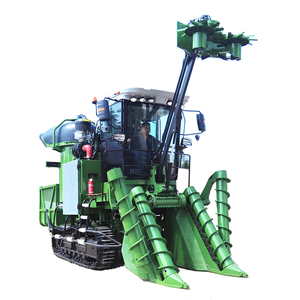
Wubota Cheap Price Full Customization Chinese Harvesting Sugar Cane Harvester
Get a Quote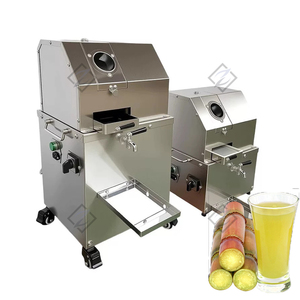
Commercial & Household Use Electric Sugarcane Juice Machine Sugar Cane Juicer
Get a Quote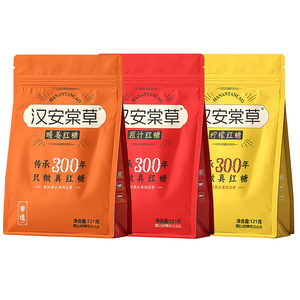
Bagged Multi-Flavor Refined Cane Brown Sugar Lumps Sugar Cube 121g/bag
Get a Quote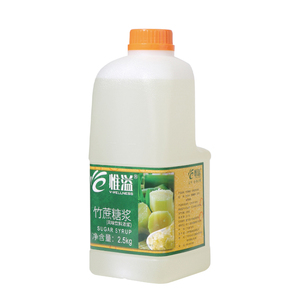
Weiyi High Quality Bamboo Cane Rock Syrup Pure Cane Brown Sugar for Bubble Tea
Get a Quote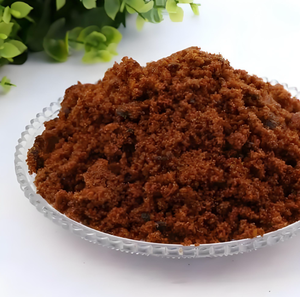
Bulk Unrefined Brown Cane Sugar Raw Sugar Granulated Natural Sweetener
Get a Quote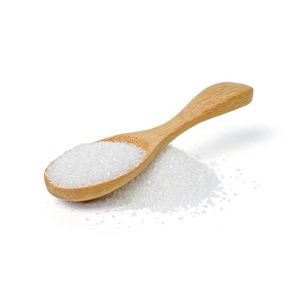
Refined Caned Sugar High Standard Export Grade Bulk Supply
Get a Quote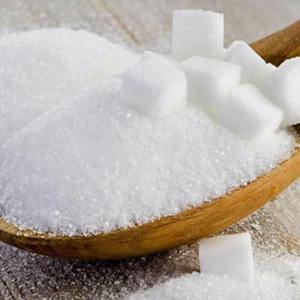
Best Selling Natural White Granular Cane Sugar, 100% Pure 50kg Pack
Get a Quote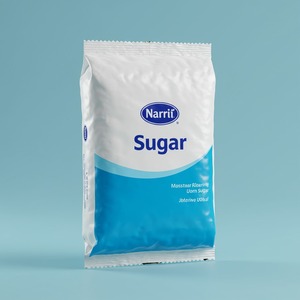
Raw Cane Sugar, Customizable Packaging, Food Grade White Granulated
Get a QuoteExecutive Industry Whitepaper: B2B Sourcing of CE Certified Agave Nectar & Natural Sweeteners
The global demand for clean-label, low-glycemic, and non-GMO functional sweeteners has driven unprecedented expansion in the market for high-purity Agave Nectar (Agave Syrup). Derived primarily from Agave tequilana Weber (Blue Agave), agave nectar contains a natural carbohydrate structure composed predominantly of complex fructans (inulin), which are hydrothermally or enzymatically hydrolyzed into monomeric fructose and glucose. With a Glycemic Index (GI) ranging between 15 and 25—compared to sucrose at 65 and high-fructose corn syrup at 68—organic agave nectar has become the sweetener of choice for premium food and beverage formulations, dairy products, bakery lines, and nutraceutical preparations.
For international procurement officers, sourcing managers, and commercial co-packers, verifying factory compliance goes far beyond standard organic labeling. Operating in strict accordance with European Economic Area standards (CE certification), ISO 22000, HACCP, and USDA Organic mandates requires specialized thermal processing controls, Hydroxymethylfurfural (HMF) monitoring, and complete chain-of-custody documentation. Peachtree Commodities and our network of origin manufacturing partners lead the industry in providing audit-ready, fully traceable bulk organic ingredients with zero risk of C4 sugar cross-contamination.
Why Top Global Brands Partner With Our Ecosystem
As a multi-generational supplier based in Norcross, Georgia, Peachtree Commodities combines deep agronomic expertise at origin with comprehensive US warehouse distribution to remove market volatility for B2B buyers.
CE & ISO Factory Standards
Our origin processing facilities feature CE-marked extraction and filtration machinery, stainless-steel ultra-filtration lines, and fully automated packaging lines operating under strict HACCP and GMA-SAFE protocols.
Isotope-Verified Purity
Every production lot undergoes EA-IRMS (Elemental Analyzer - Isotope Ratio Mass Spectrometry) testing to guarantee zero adulteration from corn syrup or cane sugar C4 plant signatures, ensuring 100% pure agave syrup integrity.
Custom Bulk Formats
From 25 kg multi-wall eco-bags and 275-gallon (1,300 kg) liquid IBC totes to flexitanks and stainless-steel bulk tankers, our flexible logistics support pilot plants through full-scale global manufacturing.
US Warehousing & Safety Stock
We maintain program inventory across certified organic, food-grade warehouses in North America. Customers can draw down against contracts without taking on ocean freight delay risks.
Complete Regulatory Pack
Every shipment is delivered with a complete lot-specific Certificate of Analysis (CoA), Organic Transaction Certificate (NOP/EU), Allergen statement, Kosher/Halal certifications, and Non-GMO verification paperwork.
Industrial Sweetener Comparison & Agave Nectar Specifications
Understanding the chemical and functional differences between industrial sweetening platforms is crucial for formulation efficiency, shelf-life stability, and clean-label marketing.
| Specification Parameter | Organic Agave Nectar (Light/Dark) | High-Fructose Corn Syrup (HFCS-55) | Organic Liquid Cane Sugar | Organic Tapioca Syrup |
|---|---|---|---|---|
| Brix Concentration (°Bx) | 74.0 - 76.0° | 77.0° | 67.0 - 68.0° | 75.0 - 80.0° |
| Fructose Content (% Dry Basis) | 84.0% - 90.0% | 55.0% | ~50% (Inverted) | 0% - 15% |
| Glucose Content (% Dry Basis) | 8.0% - 14.0% | 42.0% | ~50% (Inverted) | 25% - 45% |
| Glycemic Index (GI) | 15 - 25 (Very Low) | 68 (High) | 65 (Moderate) | 45 - 65 (Moderate) |
| HMF (Hydroxymethylfurfural) | < 20 mg/kg | Variable (> 30 mg/kg) | < 10 mg/kg | < 10 mg/kg |
| Solubility & Hygroscopicity | Exceptional in cold liquid systems | High | Moderate | Moderate |
| Certifications Available | USDA Organic, CE, Kosher, Halal | Conventional / Non-GMO | USDA Organic, Fairtrade, Kosher | USDA Organic, Non-GMO, Kosher |
Future Procurement Trends in Agave Nectar & Natural Sweeteners (2025–2030)
As food technology advances and consumer preferences shift toward minimal processing and low-glycemic eating, the global market for bulk agave nectar and specialized plant sugars is entering a dynamic transformation. Procurement leaders must align their purchasing strategies with four decisive emerging trends:
- 1. Climate-Resilient Sourcing & Regenerative Farming: Agave plants require up to 80% less water per ton of biomass produced compared to traditional sugarcane or sugar beet crops. As drought conditions affect traditional agriculture worldwide, buyers are shifting spend toward climate-hardy CAM (Crassulacean Acid Metabolism) crops like Blue Agave to guarantee multi-year contract stability.
- 2. Precision Thermal Processing & Low-HMF Demands: European regulatory authorities are increasingly focusing on thermal degradation compounds in processed syrups. Modern factories are adopting low-temperature vacuum evaporation and enzymatic hydrolysis to preserve delicate fructan structures while suppressing Hydroxymethylfurfural (HMF) levels to strictly under 20 ppm.
- 3. High-Purity Spray-Dried Agave Powders: While liquid agave nectar remains dominant in RTD beverages, bakery applications are rapidly adopting micro-encapsulated and spray-dried organic agave powder as a clean-label replacement for synthetic polyols and artificial bulk carriers in dry mixes and sports nutrition formulas.
- 4. Blockchain-Enabled Isotope Traceability: Food safety authorities now require verifiable, tamper-proof proof of origin. Isotope Ratio Mass Spectrometry (IRMS) coupled with digital lot tracking will become standard baseline requirements for all premium export shipments by 2028.
Frequently Asked Questions (FAQ)
Detailed answers to the technical, legal, and operational questions most frequently raised by international B2B buyers and commercial procurement officers.
What does CE Certification signify for Agave Nectar factories?
CE certification in the context of agave nectar production verifies that the manufacturing infrastructure, thermal heat exchangers, evaporation pressure vessels, and automated bottling equipment strictly comply with European Union health, safety, and environmental protection directives (such as the Pressure Equipment Directive and Machinery Directive). Sourcing from CE-certified factories guarantees that equipment meets clean-in-place (CIP) sanitary standards, eliminating physical and biological contamination risks during bulk extraction.
How is C4 sugar adulteration prevented and tested in bulk agave exports?
Agave tequilana is a CAM plant that uses a distinct photosynthetic pathway compared to C4 plants like sugarcane and corn. Every export lot undergoes Elemental Analyzer - Isotope Ratio Mass Spectrometry (EA-IRMS) testing. By measuring the carbon stable isotope ratio ($\delta^{13}\text{C}$ value), laboratory analysis accurately confirms whether the syrup contains unadulterated agave fructans or illicit blends of high-fructose corn syrup or cane sugar invert.
What is the shelf life and optimal storage condition for bulk liquid agave nectar?
Bulk liquid organic agave nectar has a typical shelf life of 24 to 36 months when un-opened and stored in original sealed food-grade IBC totes or drums. Recommended storage temperatures range between 15°C and 25°C (59°F–77°F) in a dry, ventilated environment away from direct sunlight. Storage below 10°C may increase viscosity, while storage above 35°C accelerates caramelization and unwanted HMF formation over extended periods.
What are the primary Minimum Order Quantities (MOQ) for international orders?
For dry sugars and packaged ingredients, standard MOQs start at 1 pallet (1,000 kg). For liquid agave nectar and liquid cane sugar, standard MOQs are 1 metric ton tote (1,000 kg / 275 gallons). For custom OEM blends, contract pricing, or ocean container flexitanks (24,000 kg), pilot and R&D sample quantities are available for pre-commercial validation upon request.
How does Agave Nectar compare in relative sweetness and usage rate vs sucrose?
Agave nectar is approximately 1.3 to 1.5 times sweeter than standard granulated sugar (sucrose) due to its elevated fructose content. When reformulating food and beverage recipes, product developers can typically reduce the sweetener mass by 25% to 30% while achieving equivalent sweetness perception, simultaneously lowering total calorie density and carbohydrate loads in finished goods.
What full documentation accompanies each export shipment?
Standard documentation packs include: (1) Lot-specific Certificate of Analysis (CoA), (2) NOP USDA / EU Organic Transaction Certificates, (3) Specification & Technical Data Sheet (TDS), (4) Allergen & GMO Free Declaration, (5) Kosher / Halal certificates, (6) Bill of Lading & Commercial Invoice, and (7) Certificate of Origin. Additional customer-specific QA documents can be appended to the shipping pack prior to departure.
Ready to Secure Your Industrial Sweetener Supply Chain?
Consult with our commercial ingredient specialists today to request technical specifications, CoA lot samples, or volume tier pricing for your upcoming production schedule.