The commercial landscape for bulk organic sweeteners has shifted from a niche health-food sector into a strategic imperative for mainstream consumer packaged goods (CPG) manufacturers. Driven by shifting consumer preferences toward clean labels, dynamic regulatory oversight under the USDA National Organic Program (NOP), and volatile global crop yields, securing a resilient, fully traceable bulk organic sweetener program requires deep agronomic insight, rigorous quality control, and scalable logistics management.
As food and beverage brands navigate formula reformulations—moving away from high-fructose corn syrups (HFCS) and synthetic polyols—demand for high-functionality organic carbohydrate systems has reached historic highs. Formulators must balance caloric impact, Dextrose Equivalent (DE) profiles, solubility, humectancy, and Maillard browning properties with absolute regulatory compliance. This comprehensive market intelligence guide examines the architectural dynamics of sourcing bulk organic sweeteners, technical specifications across major agricultural platforms, upcoming regulatory shifts, and operational best practices for industrial buyers.
1. The Peachtree Advantage: Institutional E-E-A-T & Supply Resilience
At Peachtree Commodities, located in Norcross, Georgia (Atlanta metropolitan area), we bring three generations of agricultural commodity expertise and over 15 years of dedicated international supply chain leadership to the food ingredient sector. We operate not as an anonymous brokerage desk, but as a direct commercial and agronomic partner to multinational food manufacturers, co-packers, and private-label brands across North America, Europe, and Asia-Pacific.
Commercial procurement teams face systemic risks when procuring organic ingredients: supply chain opacity, unexpected lot-to-lot variance, transit disruption, and regulatory rejection at port. Peachtree Commodities eliminates these pain points through our unyielding operational standard: "In Full. On-Time. All The Time."
- Direct Farm-to-Dock Integrity: We bypass middle-tier trading brokers to partner directly with qualified farming cooperatives and primary processors at origin, conducting on-site agronomic audits and chain-of-custody verifications.
- Domestic Buffer Inventory: To protect production schedules from ocean freight delays and weather anomalies, we maintain strategic inventory reserves in a network of food-grade, USDA Organic certified warehouses across the United States.
- Comprehensive Compliance Assurance: Every lot shipped undergoes rigorous analytical testing and is accompanied by a full document pack: lot-specific Certificate of Analysis (CoA), Organic Transaction Certificate (NOP), non-GMO verification, Kosher documentation, and heavy metal screening.
"In bulk organic sweetener procurement, technical spec consistency and chain-of-custody documentation are just as vital as the product itself. A delayed transaction certificate or a 0.5% variance in moisture content can shut down a commercial bottling line." — Technical Operations Director, Peachtree Commodities.
2. Core Bulk Organic Sweetener Platforms & Specifications
To assist R&D teams and procurement officers in selecting the exact functional sweetener profile for their specific application, Peachtree Commodities provides four primary ingredient platforms sourced from audited organic operations worldwide.

Organic Cane Sugar
Extra Light, Granulated & Liquid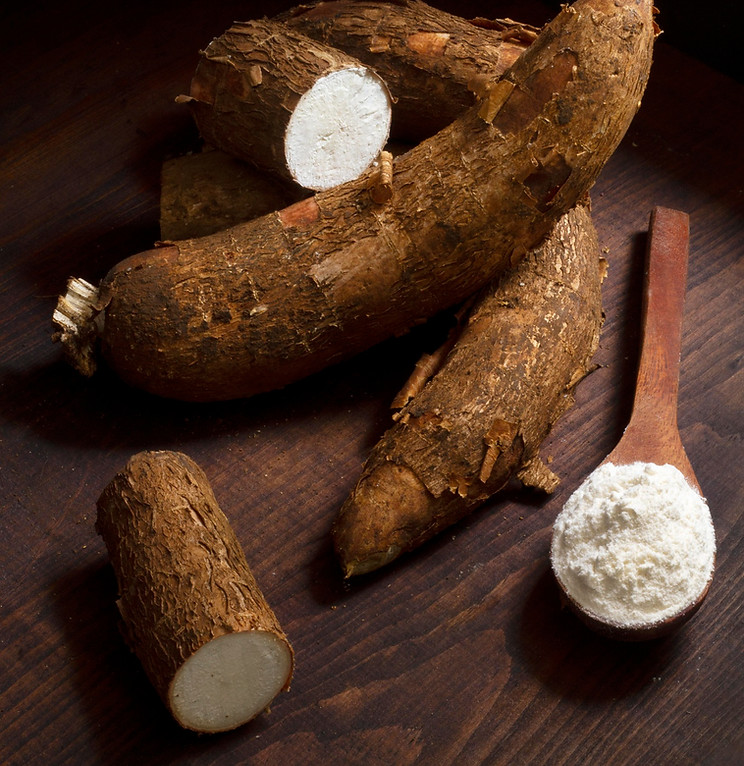
Organic Tapioca Syrups
DE 27-60, Solids & Maltodextrin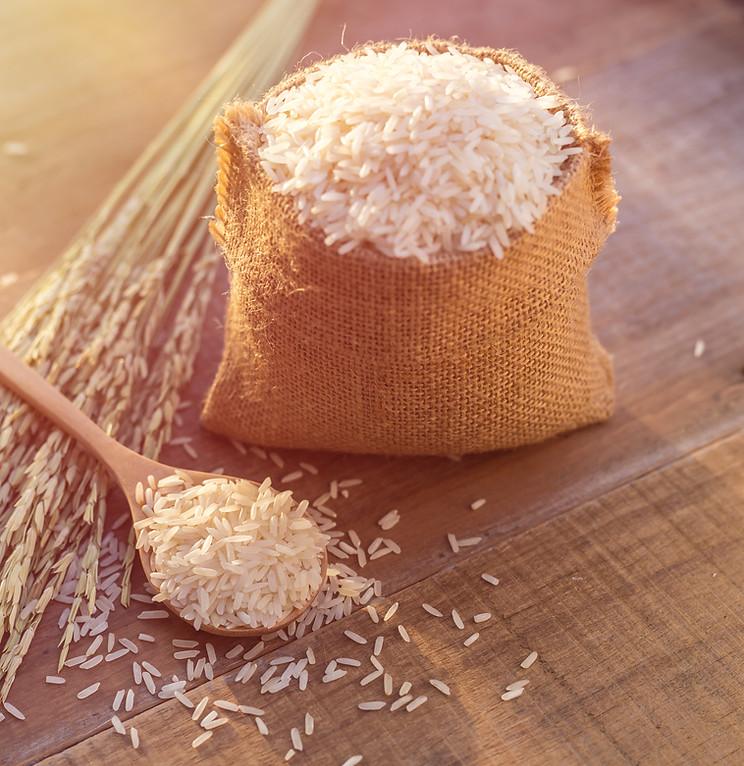
Organic Rice Syrups
Clarified, High Maltose & Solids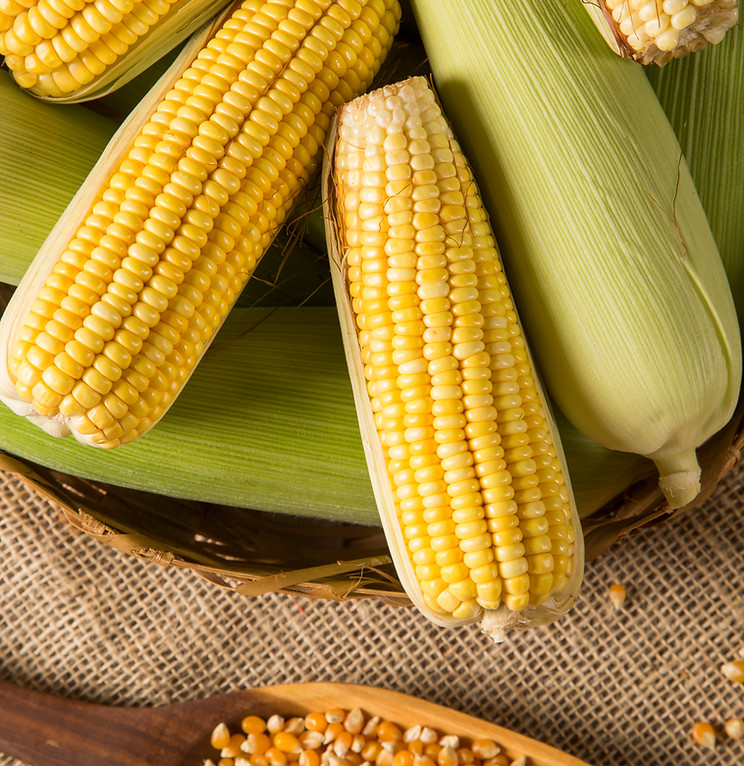
Non-GMO Corn Syrups
Identity Preserved & Starch DerivativesA. Organic Cane Sugar Platforms (Raw, Refined, Liquid & Regenerative)
Sourced from sugar cane fields adhering to sustainable agronomic practices, our organic cane sugar portfolio provides natural sucrose with predictable crystal structures, clean thermal melt properties, and uniform sweetness. Available in multiple ICUMSA grades to meet varying color and purity requirements in beverage, baking, and confectionery manufacturing.
- Extra Light Organic Cane Sugar (ICUMSA < 400): Ideal for high-clarity beverages, delicate baked goods, and dairy products where golden color transfer must be minimized.
- Organic Granulated Cane Sugar (ICUMSA 600-1500): The industry standard for bakery, confectionery, sauce base, and cereal coating, delivering rich natural notes and consistent bulk density.
- Organic Liquid Cane Sugar (67° Brix): Pre-dissolved under strict food-safety protocols to eliminate dry-dissolution processing steps for industrial RTD beverage plants, breweries, and sauce compounders.
- Regenerative Organic Certified (ROC) Cane Sugar: Sourced from farms utilizing cover cropping, zero synthetic inputs, and minimal tillage to aid corporate Scope 3 carbon reduction goals.
B. Organic Tapioca Syrups, Syrup Solids & Maltodextrin
Derived from the cassava root (Manihot esculenta) through enzymatic hydrolysis, tapioca-based sweeteners offer exceptional neutral flavor profiles, high clarity, and hypoallergenic properties. They represent the premier alternative to corn-based sweeteners in non-GMO and organic formulations.
- Organic Tapioca Syrups (27 DE to 60 DE): Ranging from low-sweetness, high-viscosity binding agents (27 DE) to high-sweetness, low-viscosity fermentable syrups (60 DE), widely utilized in nutrition bars, plant-based beverages, and fruit preparations.
- Organic Tapioca Syrup Solids: Dehydrated tapioca syrups providing moisture control, fat mimetic functionality, and mouthfeel enhancement in dry powder blends, sports nutrition, and plant-based creamer formulations.
- Organic Tapioca Maltodextrin (DE 10-18): A premium clean-label carrier and bulking agent with low hygroscopicity, ideal for spray-drying flavors, encapsulating oils, and extending shelf stability in sensitive dry formulations.
C. Organic Rice Syrups & Carbohydrate Matrices
Produced via traditional natural enzyme cooking of brown or white rice, organic rice syrups provide complex sugar profiles (maltose, maltotriose, and higher polymers) that deliver smooth, sustained energy release and low osmotic pressure. Sourced from growing regions subjected to heavy-metal soil screening to guarantee infant-food compliance.
- Organic Clarified Rice Syrup: De-colored and filtered to deliver neutral sweetness without altering the visual appearance or flavor balance of target matrices.
- Organic Brown Rice Syrup: Retains subtle caramel and nutty undertones, serving as a key functional binder and sweetener in granolas, energy bars, and artisanal baked items.
- Organic Rice Protein & Syrup Solids: Co-produced during sweetener extraction to yield high-purity (80%) organic plant-based protein powders for nutritional fortification.
D. Non-GMO Project Verified Corn Sweetener Derivatives
For manufacturers requiring strict Identity Preserved (IP) non-GMO corn derivatives, Peachtree Commodities delivers high-purity glucose syrups, dextrose solids, and functional corn starches produced without genetic modification, delivering exact viscosity and browning characteristics for high-speed industrial lines.
3. Technical Comparison Matrix for Industrial Formulators
The following technical comparison provides R&D formulators and procurement experts with precise functional metrics to optimize sweetener selection for target food matrices:
| Sweetener Category | Dextrose Equiv. (DE) / Purity | Solids Content (°Brix / % Dry Basis) | Key Functional Roles | Primary Industrial Applications | Bulk Packaging Formats |
|---|---|---|---|---|---|
| Organic Cane Sugar (Granulated) | 99.8% Sucrose | 99.9% Dry Basis | Sweetness baseline (1.0), structure, thermal browning, bulk | Beverages, Bakery, Confectionery, Sauces, Dairy | 25 kg Bags, 1,000 kg Totes, Bulk Rail/Truck |
| Organic Liquid Cane Sugar | 99.5% Sucrose | 67.0° ± 0.5° Brix | Instant dissolution, precise liquid dosing, microbial stability | RTD Beverages, Kombucha, Spirits, Commercial Baking | 275 Gal IBC Totes, Bulk Liquid Tankers |
| Organic Tapioca Syrup 42 DE | 40 - 46 DE | 79.0° - 81.0° Brix | Balanced sweetness, humectancy, crystal inhibition, binding | Energy Bars, Gummies, Fruit Snacks, Ice Cream | 275 Gal Totes, 290 kg Drums, Flexitanks |
| Organic Tapioca Syrup Solids | 20 - 35 DE | ≥ 95.0% Dry Basis | Mouthfeel enhancement, low sweetness bulking, spray-dry base | Nutritional Powders, Plant-Based Creamers, Seasonings | 20 kg / 25 kg Multi-wall Paper Bags |
| Organic Tapioca Maltodextrin | 10 - 18 DE | ≥ 95.0% Dry Basis | Fat replacement, flavor carrier, moisture control, encapsulation | Nutraceuticals, Encapsulated Oils, Bakery Mixes | 15 kg / 20 kg Kraft Bags, Super Sacks |
| Organic Rice Syrup 60 DE | 56 - 64 DE | 79.0° - 82.0° Brix | High fermentability, smooth texture, quick sweetness release | Fermentation Substrates, Frozen Desserts, Syrups | 275 Gal IBC Totes, Bulk Tankers |
| Non-GMO Corn Syrup 43 DE | 42 - 48 DE | 80.0° - 84.0° Brix | Viscosity control, bodying agent, anti-crystallization | Confectionery Hard Candies, Jams, Jellies, Fillings | 275 Gal Totes, Bulk Liquid Tankers |
4. Technical Formulation & Product Development Trends
As food science advances and consumer expectations move toward cleaner ingredients, several technical trends are redefining product development across the bulk sweetener sector:
A. Enzymatic Customization of Dextrose Equivalent (DE) Profiles
Industrial formulators no longer rely on standardized off-the-shelf syrups. Modern food processing demands precision enzymatic conversion tailored to specific physical challenges. By fine-tuning the ratio of mono-, di-, and oligosaccharides during starch hydrolysis, Peachtree Commodities supplies custom tapioca and rice syrups engineered for precise target viscosity, freezing point depression in frozen desserts, or moisture retention in baked goods.
B. Replacing HFCS with Low-Heavy-Metal Organic Carbohydrates
The transition away from High Fructose Corn Syrup (HFCS) in premium beverage and sauce formulations has placed organic tapioca and rice syrups at the center of clean-label innovation. Tapioca syrup offers an identical fructose-free carbohydrate profile with neutral flavor impact, allowing natural fruit flavors and botanicals to shine without requiring masking agents.
C. Spray-Drying Carriers & Fat Mimetics in Plant-Based Dairy
The rapid growth of plant-based milk alternatives, non-dairy creamer powders, and vegan sports supplements has driven demand for high-performance organic carrier matrices. Organic tapioca maltodextrin (10-18 DE) serves as an exceptionally stable, neutral-tasting carrier for spray-drying plant fats and proteins, preventing oil separation and imparting a rich mouthfeel without adding unwanted sweetness.
5. Future Sourcing & Procurement Trends (2025–2030 Horizon)
Procurement leaders must look beyond quarter-to-quarter pricing to build resilient ingredient supply chains capable of navigating global geopolitical, climate, and regulatory transitions. Our strategic analysis highlights four macro trends shaping the procurement of bulk organic sweeteners over the coming decade:

A. Regulatory Enforcement & Digital Traceability (USDA SOE & EUDR)
The implementation of the USDA National Organic Program’s Strengthening Organic Enforcement (SOE) rule represents the most significant update to organic trade regulations in decades. Mandatory electronic NOP Import Certificates, strict supply chain audit trails, and qualified handler certifications are now required at every transfer point.
Concurrently, European and North American ESG mandates require verifiable proof that agricultural commodities are not tied to deforestation or land exploitation. Peachtree Commodities integrates digital batch-tracking systems that provide fully traceable audit documentation from foreign agricultural cooperatives to domestic delivery docks.
B. Climate Adaptation & Multi-Origin Sourcing Strategies
Severe weather events—ranging from droughts in traditional South American sugarcane belts to extreme rainfall impacting cassava harvests in Southeast Asia—have created unprecedented yield volatility. Relying on a single geographic source for organic sweeteners presents significant supply security risks.
Forward-thinking procurement programs are transitioning to multi-origin supply architectures. Peachtree Commodities maintains fully qualified origin partners across multiple continents, ensuring our clients maintain continuous raw material access regardless of localized climate disruptions.
C. Scope 3 Carbon Accounting & Regenerative Organic Certification
Enterprise food brand sustainability goals are rapidly expanding from internal operational emissions (Scope 1 and 2) to supply chain emissions (Scope 3). As raw agricultural inputs represent the largest portion of a food manufacturer's carbon footprint, demand for Regenerative Organic Certified (ROC) cane sugar and sustainably farmed tapioca is escalating.
Regenerative farming practices—including cover cropping, organic composting, and reduced tillage—not only sequester atmospheric carbon into agricultural soil but also increase soil water retention, enhancing farm resilience against extended droughts.
D. AI-Driven Inventory & Demand Forecasting
Modern commercial procurement relies increasingly on predictive analytics to balance lean inventory models with buffer stock protection. Peachtree Commodities leverages AI-enhanced demand forecasting tools, analyzing historical customer drawdowns, global maritime transit metrics, and crop cycle indicators to position inventory proactively in our US warehouse network.
6. Frequently Asked Questions (FAQ) for Global Procurement Buyers
Below are detailed answers to the key operational, technical, and compliance questions frequently raised by B2B buyers, food safety auditors, and R&D directors when procuring bulk organic sweeteners:
The SOE rule requires all entities in the supply chain—including importers, traders, and logistics brokers—to be certified organic under the USDA NOP unless specifically exempt. Every shipment imported into the United States must be accompanied by an electronic NOP Organic Import Certificate generated in the USDA Organic INTEGRITY Database. Peachtree Commodities maintains valid NOP certifications across all operational facilities and provides full audit packs with every shipment to ensure seamless compliance with federal regulations.
Every commercial delivery includes a comprehensive documentation pack: (1) Lot-specific Certificate of Analysis (CoA) verifying chemical, physical, and microbiological parameters; (2) USDA NOP Organic Transaction Certificate; (3) Non-GMO Project Verification or statement; (4) Kosher certification mark; (5) Allergen and Gluten-Free compliance statement; and (6) Country of Origin certificate. Heavy metal, pesticide residue, and custom analytical screening reports are available upon request.
Dry organic sweeteners (cane sugar, tapioca solids, maltodextrin, rice protein) are available in 25 kg (55 lb) multi-wall kraft paper bags, 1,000 kg (2,204 lb) bulk totes/super sacks, and full truckload (FTL) configurations. Liquid organic sweeteners (liquid sugar, tapioca syrup, rice syrup, corn syrup) ship in 275-gallon (2,500 lb) food-grade IBC totes, 290 kg tight-head drums, and dedicated temperature-controlled liquid bulk tankers. R&D sample quantities (1 kg to 5 kg) are provided for bench-top testing and pilot trials prior to commercial scale-up.
We work with commercial clients under contracted annual volume programs or rolling 12-month forecasts. Based on your production schedule, we hold dedicated safety stock reserves at our strategic food-grade warehouse facilities across the United States. This buffer inventory allows our clients to drawdown product on short notice (24-48 hour lead times), eliminating production risks associated with ocean shipping delays, port congestion, or sudden demand surges.
Liquid organic syrups typically carry a 24-month shelf life from the date of manufacture when stored in unopened, sealed containers under ambient, cool, and dry conditions (59°F to 77°F / 15°C to 25°C). High-DE syrups should be protected from extreme cold to prevent crystallization and from excessive heat to avoid unwanted color development (Maillard reaction). Dry syrup solids and maltodextrins have a 24 to 36-month shelf life when maintained in low-humidity environments (<60% RH).
Yes. Organic tapioca maltodextrin (10-18 DE) offers functional equivalence to traditional corn maltodextrin in solubility, bulk density, dispersibility, and carrier performance. It provides superior flavor neutrality, contains no corn allergens, and allows food manufacturers to feature Non-GMO Project Verified and USDA Organic callouts on front-of-pack labeling.