

Sustainably farmed crop rows supplying organic food ingredients

Organic Ingredients Blog & Insights

Expert knowledge from a family-owned ingredient supplier with 15+ years of experience.

Sourcing Intelligence For Procurement Teams

USDA Organic, Non-GMO and natural ingredient guidance.

From Farm To Your Formulation

Tapioca, corn, rice and cane sugar ingredient deep dives.

0%

Sourcing Organic Refined Cane Sugar in bulk requires more than comparing prices. Buyers must verify origin, certification, refining standards, packaging, and delivery performance. The product may look uniform in a sample, yet its documentation can reveal significant differences.

A reliable sourcing process begins with clear specifications. Define the required organic certification, sucrose percentage, moisture level, color, granulation, and microbiological limits. Request current certificates, laboratory reports, allergen statements, and traceability records from each supplier. Confirm that the certification applies to the specific facility and shipment, not merely the trading company.

Supplier experience matters. Ask how they manage harvest fluctuations, contamination risks, storage humidity, and export documentation. A professional supplier should explain lot identification and provide consistent batch records. Factory audits, independent inspections, and pre-shipment testing can reduce uncertainty. Still, no supplier relationship is risk-free. A polished website is not proof of dependable performance.

Bulk logistics also deserve careful attention. Review pallet design, inner liners, container loading, moisture protection, lead times, and approved payment terms. Clarify responsibilities under the selected Incoterm and check destination-country import requirements. Small details matter.

The strongest buying decision balances verified quality, transparent communication, total landed cost, and long-term reliability. Buyers should compare evidence, not promises. Some specifications may need revision after pilot orders or customer feedback. That is normal. Careful sourcing creates a practical foundation for purchasing Organic Refined Cane Sugar with greater confidence and fewer surprises.
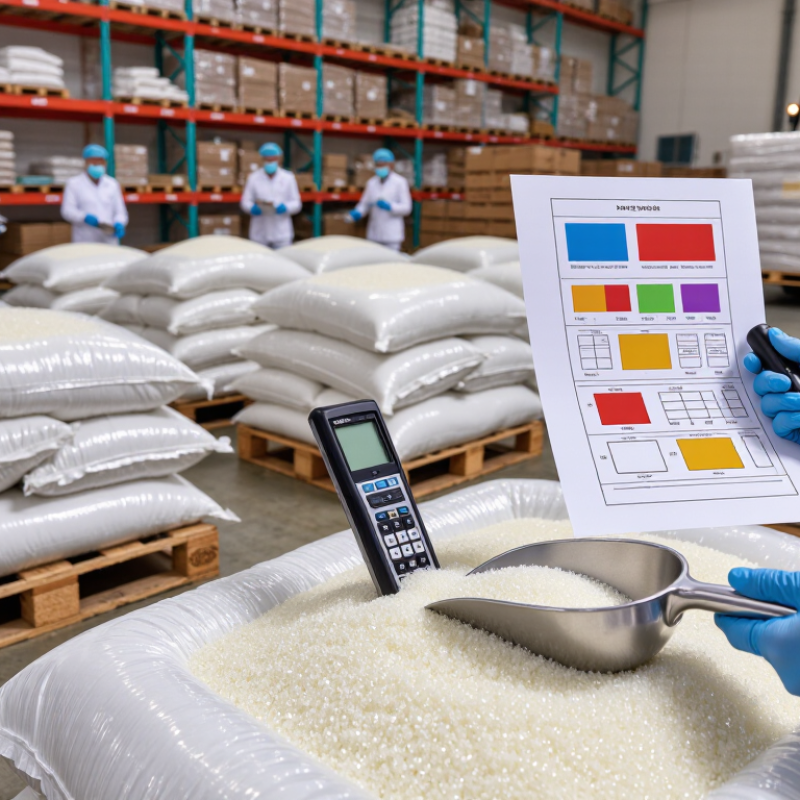
How to Source Organic Refined Cane Sugar in Bulk?

Defining Organic Refined Cane Sugar Requirements

Defining organic refined cane sugar requirements is the real starting point for bulk sourcing. A buyer should describe the product before contacting suppliers. Specify cane origin, organic certification, refining method, and intended use. “Organic” must be supported by a current certificate from a recognized control body. Request its scope, validity dates, and transaction certificate process. Do not rely on a logo alone.

Refined sugar may vary in color, crystal size, polarity, moisture, and ash. These details affect beverage clarity, bakery texture, and filling performance. A technical data sheet should state each limit clearly.

For quality control, request recent batch results and an independent laboratory report. Useful checks include pesticide residues, microbiological limits, heavy metals, sulfur dioxide, polarity, and color value. Confirm the testing method, sampling point, and laboratory accreditation. Numbers without methods can mislead.

Packaging also needs definition: food-grade bags, net weight tolerance, pallet format, lot coding, and storage instructions. Ask how the supplier protects sugar from moisture, odors, pests, and cross-contact during handling. The warehouse should be clean and traceable. Small details matter.

Commercial requirements deserve equal attention. Set the annual volume, trial quantity, shipment size, delivery window, port, payment terms, and document list. Clarify whether the quoted price includes certification documents, inspection, and freight.

I would also request a pre-shipment sample, although samples can hide production variation. That risk deserves discussion. Keep it measurable. A stronger specification links every claim to evidence, a measurable tolerance, and an agreed acceptance procedure. Leave no important term to casual email wording.

Verifying Organic Certifications and Supplier Credentials

When sourcing organic refined cane sugar in bulk, do not trust a certificate image alone. Verify the certificate number through the issuing body’s public directory. Check the legal entity, facility address, product scope, and expiration date. The document should cover refining, not only cane cultivation. A farm certificate cannot automatically validate a refinery.

FiBL and IFOAM Organics International reported 96.4 million hectares of organic farmland worldwide in 2022. The same report valued the global organic market at €134.8 billion. This growth increases the need for careful supplier screening. Request the latest transaction certificate, lot identification, packing records, and chain-of-custody documents. Compare the lot number across every document. Small mismatches matter.

Ask whether the certifier is accredited for the target market. Requirements may differ between jurisdictions. Review recent audit findings, corrective actions, pesticide-residue testing, and traceability procedures. The 2024 Organic Industry Survey reported U.S. organic sales of $67.6 billion in 2023, showing strong demand but not guaranteed integrity. A polished supplier profile proves little. I would also request a live video inspection of the refinery, though this still cannot replace an independent audit. That is an uncomfortable limitation. Verify payment details and the contracting company separately. Keep retained samples from each shipment, because paperwork can look perfect while operational controls remain weak.

How to Source Organic Refined Cane Sugar in Bulk?

Organic certification thresholds to consider when verifying supplier documentation and product eligibility.

USDA Organic, EU Organic, and JAS Organic processed-food standards generally require at least 95% organic agricultural ingredients for products marketed as organic, excluding permitted non-agricultural ingredients such as water and salt. Before purchasing bulk refined cane sugar, confirm that the supplier’s current certificate covers the correct product, processing activity, facility, and transaction scope. The percentage shown is a labeling threshold, not proof that a supplier or shipment is certified.

Comparing Bulk Sugar Specifications, Pricing, and Packaging

How to Source Organic Refined Cane Sugar in Bulk?

Bulk organic refined cane sugar should be compared through measurable specifications, not appearance alone.

Ask for polarization, moisture, ash, color, particle size, and microbiological limits. A clear specification sheet reduces disputes between buyer and supplier. Confirm that the organic certificate covers processing, storage, and the intended destination. Certification gaps can delay customs clearance or weaken a product claim.

Pricing usually depends on volume, origin, crop conditions, freight, payment terms, and delivery basis.

Request a complete quotation per metric ton, including inland transport, loading, documentation, and testing charges. Compare equivalent offers. One supplier may quote a lower product price but exclude port fees or inspection costs. That difference can become significant across several containers.

A recent laboratory report and batch-specific certificate of analysis are more useful than a generic promise.

Still, laboratory data is not perfect. Retain a sealed sample for later comparison.

Packaging affects handling, shelf life, and warehouse efficiency.

Common options include 25-kilogram or 50-kilogram food-grade bags, plus one-ton flexible intermediate bulk containers. Check whether bags use moisture-resistant liners and whether pallets are wrapped for container transport. Each package should show the lot code, net weight, production date, and storage guidance.

Small details matter. Before signing, match the package design with your filling line and warehouse equipment. A cheaper bag can split during unloading, creating product loss and an avoidable cleanup.

Evaluating Samples, Contracts, and Quality Assurance Procedures

When sourcing organic refined cane sugar in bulk, treat the sample as evidence, not proof. The 2024 FiBL-IFOAM World of Organic Agriculture report recorded 96.4 million hectares under organic management in 2022, showing a broad but complex supply base. Request a sealed, lot-specific sample with its certificate, production date, origin, and certificate-of-analysis reference. Test polarization, moisture, ash, color using ICUMSA methods, and microbial limits. Check pesticide residues and heavy metals through an independent laboratory.

An attractive sample proves little. Compare at least two production lots, because color and moisture can shift after storage. Ask whether the supplier controls refining, packing, and warehouse sanitation. Verify the organic certificate directly with the issuing body, then match its scope to the exact product and facility. USDA organic requirements also demand documented handling controls, not merely organic farm certification.

Contracts should define grade, tolerance limits, shipment temperature, packaging, delivery windows, sampling procedures, and remedies for failed results. Include traceability from cane origin to container seal. The Global Food Safety Initiative’s benchmarked schemes emphasize documented hazard controls and continual verification, which supports stronger supplier audits. Still, paperwork can conceal weak practice. Require retained samples, independent pre-shipment testing, and a clear rejection process. One weakness remains: buyers sometimes approve a supplier too quickly after one successful delivery. That decision deserves review.

How to Source Organic Refined Cane Sugar in Bulk? — Evaluating Samples, Contracts, and Quality Assurance Procedures
Evaluation Stage Data Dimension Recommended Requirement or Target Verification Method Contract or QA Control Acceptance Guidance
Supplier Qualification Organic certification Valid certification covering the product, processing site, and transaction scope Check the certificate number, validity dates, certified activities, product listing, and issuing control body Require advance notice of suspension, scope changes, or certificate expiry Do not approve shipment if the certificate is expired or does not cover the refined sugar supplied
Supplier Qualification Chain-of-custody documentation Traceability from certified cane or sugar source through refining, storage, and loading Review lot codes, mass-balance records, purchase records, production records, and shipping documents Define one traceable lot reference across the certificate, invoice, packing list, and certificate of analysis Every delivered lot should be traceable to documented certified inputs and processing records
Sample Review Color and appearance Uniform white refined crystals, free from visible foreign matter, abnormal odor, and discoloration Inspect a representative sample under consistent lighting; compare with the approved reference sample Attach an approved sample specification to the purchase contract Reject or place on hold if visible contamination, unusual odor, wet caking, or significant color variation is found
Sample Review Polarization Typically 99.5°Z or higher for refined white cane sugar, unless the agreed specification states otherwise Use a calibrated polarimeter and an applicable recognized analytical method State the minimum value, testing basis, sampling point, and remedy for nonconformance Compare the supplier result with an independent laboratory result when a dispute occurs
Sample Review Moisture Common commercial target: no more than 0.05% by mass, subject to the agreed product grade Test using a validated moisture method; protect samples from humidity during handling Specify moisture limit, packaging requirements, and responsibility for storage-related caking High moisture can increase caking risk and should trigger investigation before release
Sample Review Particle-size distribution Must match the agreed crystal-size range and remain reasonably consistent between lots Use sieve analysis with a defined sieve series and reporting format Include minimum and maximum sieve fractions in the technical specification Assess both average size and excessive fines, because they can affect handling and dissolution
Sample Review Solubility and sediment Clean dissolution in water with no abnormal insoluble residue under the agreed test conditions Conduct a controlled dissolution test and visually inspect the filtered solution or residue Define water temperature, sugar-to-water ratio, observation time, and reporting procedure Unexpected sediment requires confirmation of filtration, refining, and handling controls
Food Safety Review Microbiological quality Comply with applicable legal requirements and the buyer's risk-based limits for ready-to-use sugar Test representative samples through a competent laboratory using validated methods Specify testing frequency for total plate count, yeast and mold, and relevant pathogens where applicable Because refined sugar is low-moisture, results should still be evaluated against the intended use and legal market
Food Safety Review Contaminants and residues Comply with destination-market limits for heavy metals, pesticide residues, processing contaminants, and other relevant hazards Use a documented risk assessment and accredited laboratory testing where required Require notification of regulatory changes, investigation records, and corrective-action reports Do not rely only on a general statement of compliance; retain current test evidence for identified risks
Packaging Review Food-contact packaging New, clean, dry, food-grade packaging suitable for bulk sugar and the transport route Review packaging specifications, declarations of compliance, and visual condition at loading Define bag or liner material, net weight tolerance, palletization, sealing, and labeling requirements Reject packaging that is torn, damp, contaminated, reused without approval, or incorrectly labeled
Contract Setup Product specification A controlled specification covering identity, organic status, physical properties, food safety, packaging, and shelf-life conditions Compare the signed specification with the sample approval and certificate of analysis format Prevent unilateral specification changes; require written approval for substitutions or process changes The contract specification should take precedence over informal quotations or sample descriptions
Contract Setup Lot definition and sampling A clearly defined lot linked to production, storage, and shipping records Document sampling location, number of increments, composite-sample method, and retention quantity State who samples, who witnesses sampling, and how sealed retention samples are stored Use representative sampling rather than testing only the top or first portion of a load
Contract Setup Certificate of analysis Issued for each lot or shipment and matched to the approved specification Verify lot number, test date, methods, results, units, laboratory or quality sign-off, and specification limits Make submission of the certificate a precondition for shipment release or payment A certificate should report actual results where possible, not only a generic “pass” statement
Contract Setup Delivery and storage conditions Keep sugar dry, protected from odors and contamination, and transported in clean, suitable equipment Inspect vehicle or container cleanliness, dryness, seals, temperature records where relevant, and loading photos Define Incoterms, delivery window, demurrage responsibility, seal control, and damage-reporting procedure Place wet, damaged, unsealed, or odor-contaminated deliveries on quality hold
Release QA Incoming inspection Confirm identity, quantity, packaging integrity, labeling, lot traceability, and visible condition before unloading or use Perform documented receiving checks and retain photographs, seal numbers, and delivery records Use a formal release, rejection, or quarantine status for every received lot Do not blend or consume a lot before required documents and inspections are complete
Release QA Nonconformance and corrective action Defined response times, investigation steps, disposition options, and root-cause analysis Review deviation reports, test evidence, traceability records, and corrective-action effectiveness Specify replacement, credit, rework, disposal, recall cooperation, and cost allocation procedures Repeated failures should trigger supplier reassessment, increased testing, or suspension
Ongoing Monitoring Supplier performance Track delivery accuracy, specification compliance, documentation completeness, complaints, and corrective-action closure Use a periodic supplier scorecard based on objective shipment and quality data Review performance at least annually and after any serious food-safety or certification event Increase audit or testing frequency when performance trends deteriorate
Ongoing Monitoring Retained samples and records Retain sealed representative samples and records for the period required by applicable law and the buyer's food-safety system Maintain controlled storage, sample identification, access records, and document version control Link retained samples to lot numbers, purchase orders, certificates, and finished-product records Records should support rapid trace-back and trace-forward exercises if a complaint or recall occurs
Note: Numerical targets shown above are typical procurement benchmarks for refined white cane sugar and should be confirmed against the destination market, intended use, organic standard, and mutually agreed product specification.

Managing Shipping, Import Compliance, and Storage Conditions

Bulk sourcing organic refined cane sugar requires more than comparing prices. Verify the supplier’s organic certification, transaction documents, production records, and lot traceability before signing a contract. Ask for a current certificate of analysis covering moisture, purity, microbiological limits, and foreign matter. Requirements differ by destination. Confirm the correct tariff classification, import permits, labeling rules, and customs documents with the local authority or a qualified broker.

Keep shipping conditions tightly controlled. Use clean, dry containers with intact seals and moisture-resistant liners. Sugar absorbs odors and can cake when exposed to condensation. Request loading photographs, container inspection records, and an agreed temperature and humidity process. Shipping terms should clearly assign responsibility for insurance, customs clearance, inspections, and delays. A low ocean rate may become expensive after port storage or document corrections.

Storage needs equal attention after arrival. Place bags on clean pallets, away from walls, water lines, chemicals, and strong-smelling materials. Maintain a cool, dry, well-ventilated area with documented pest checks. Use lot-based inventory and follow first-in, first-out rotation. Inspect bags for tears, clumping, dampness, or unusual odor before release. No checklist is perfect. Small gaps, such as missing seal photographs or unclear certificate dates, can create costly disputes. Review each shipment and improve the process.

FAQS

Which specifications should buyers compare for bulk organic refined cane sugar?

Compare polarization, moisture, ash, color, particle size, and microbial limits. Appearance alone misleads. Use a written specification sheet to reduce disputes.

What should a complete bulk sugar quotation include?

Request the price per metric ton. Confirm inland transport, loading, documentation, testing, freight, and port charges. Payment terms and delivery conditions also affect the final cost. A cheaper quote may hide important fees.

How can buyers verify organic certification?

Check the certificate directly with the issuing certification body. Confirm coverage for processing, storage, packing, and the destination market. The certificate should match the exact product and facility. A certification gap can delay clearance.

What information should a representative sample include?

Request a sealed sample from a specific production lot. It should include the origin, production date, certificate reference, and lot code. Test the sample independently. A sample is evidence, not proof.

Which quality tests are useful before shipment?

Test polarization, moisture, ash, color, and microbial limits. Use recognized laboratory methods for color measurement. Check pesticide residues and heavy metals through an independent laboratory. Laboratory results are useful, but not perfect.

What packaging details should bulk sugar buyers inspect?

Common choices include 25-kilogram bags, 50-kilogram bags, and one-ton bulk containers. Check for moisture-resistant liners and strong outer material. Confirm pallet wrapping for container transport. A weak bag can split during unloading.

What information should appear on each package?

Each package should show the lot code, net weight, production date, and storage guidance. Match the package size with your filling line and warehouse equipment. Measure doorway widths and lifting capacity before ordering. Small details matter.

What contract terms help protect sugar buyers?

Define the grade, tolerance limits, packaging, shipment temperature, and delivery window. Include sampling rules and remedies for failed test results. Require traceability from cane origin to container seal. Keep a sealed retained sample. One successful delivery is not enough.

Conclusion

Sourcing Organic Refined Cane Sugar in bulk begins with clearly defining your requirements, including organic status, refinement level, granulation, color, sweetness, intended use, order volume, and delivery schedule. Buyers should verify valid organic certifications, traceability systems, production capabilities, and supplier credentials before requesting quotations. Comparing specifications, pricing structures, minimum order quantities, packaging formats, and pallet configurations can help identify the most suitable supply option while controlling total procurement costs.

Before committing to a large purchase, evaluate product samples and establish contracts that specify quality standards, inspection procedures, documentation, delivery terms, and remedies for nonconforming goods. A reliable quality assurance process should cover testing, batch identification, contamination prevention, and consistent handling. Buyers must also coordinate shipping documents, import requirements, customs procedures, and transportation conditions. After arrival, Organic Refined Cane Sugar should be stored in a clean, dry, well-ventilated facility, protected from moisture, pests, odors, and temperature fluctuations to preserve its quality and shelf life.

Ethan Carter

Ethan Carter

Ethan Carter is a professional marketing specialist and a trusted voice behind the company’s educational blog. With a strong understanding of product strategy, customer needs, market trends, and digital communication, he transforms complex ideas into clear, practical, and engaging content. His......